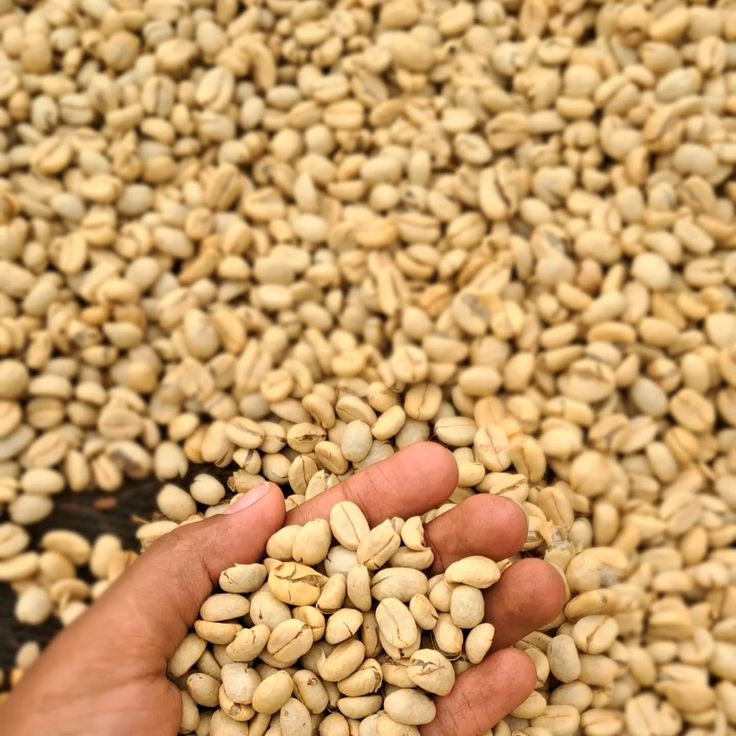
From Cherry to Cup
The Kibo
Every Kibo lot follows the same rigorous journey — from highland farm to Gulf roastery. Nothing is rushed. Every step is controlled.
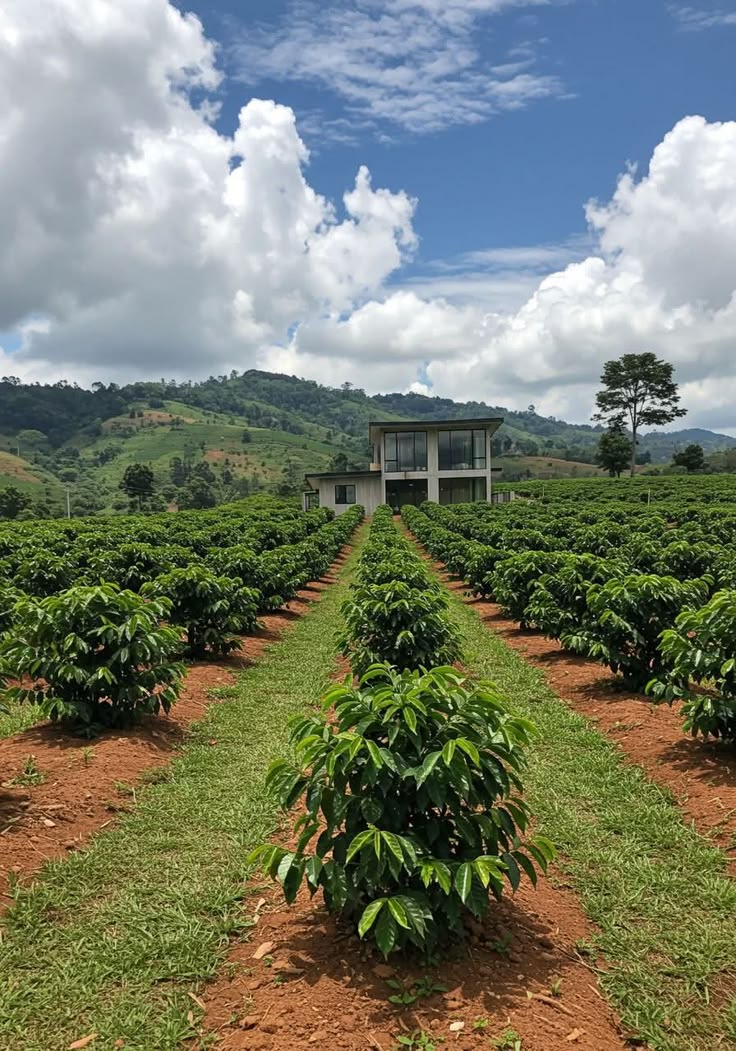
Step One
Kenya AA begins above 1,800m on volcanic soils enriched by centuries of highland ecology. Our cooperative farmers hand-tend each tree year-round — pruning, fertilising with organic compost, and managing shade cover to protect the microclimate that defines the flavour.
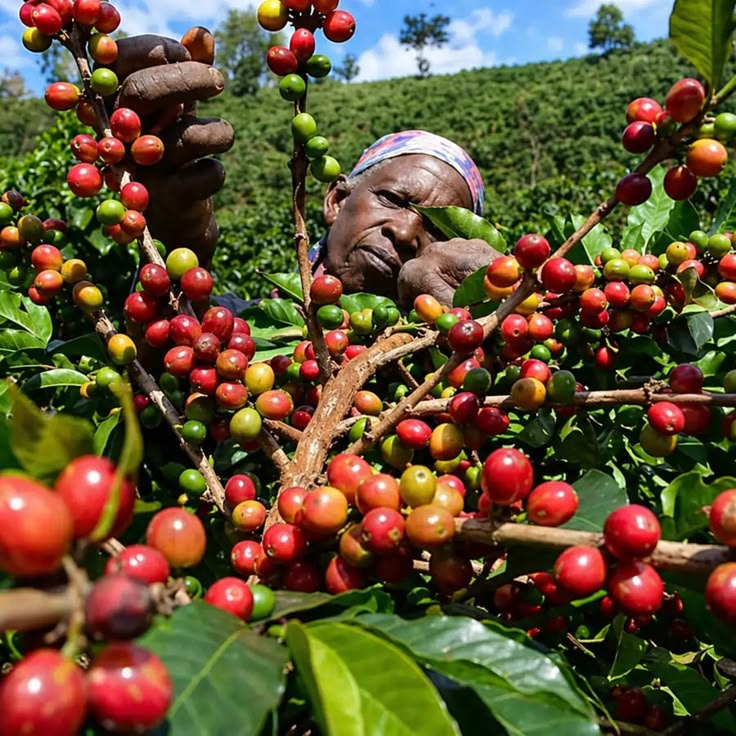
Step Two
Only red-ripe cherries are selected — no strip-picking, no mechanical harvesting. Pickers pass through each tree multiple times, selecting only at peak ripeness. This single commitment is the most important quality decision we make.
Step Three
Within hours of harvest, cherries are floated, pulped and wet-fermented. Kibo uses the Kenya double-fermentation method — removing every trace of unwanted flavour and enhancing the clean, bright acidity Kenya is celebrated for worldwide.
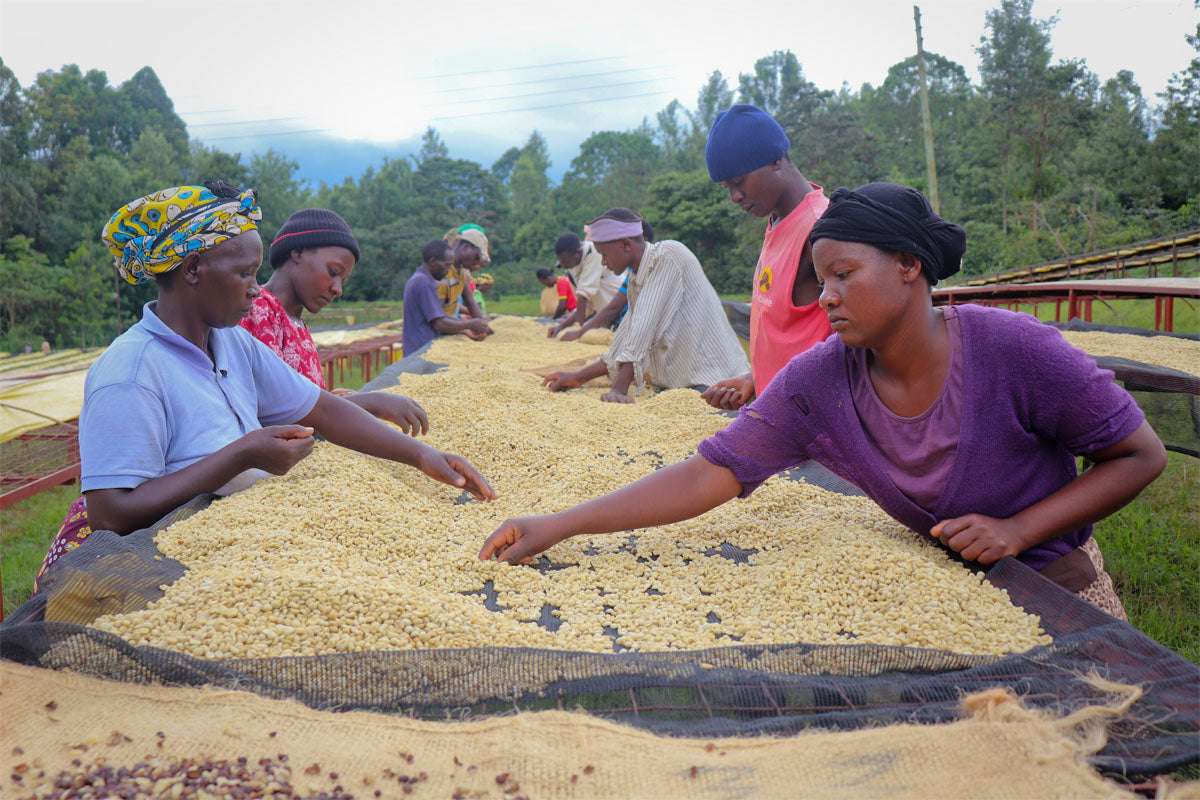
Step Four
Washed parchment is laid on elevated African drying beds for 18–25 days. Highland altitude, gentle sunshine and airflow from below ensure even, slow drying. Workers turn the beans hourly and cover them during rain and peak midday sun.
Step Five
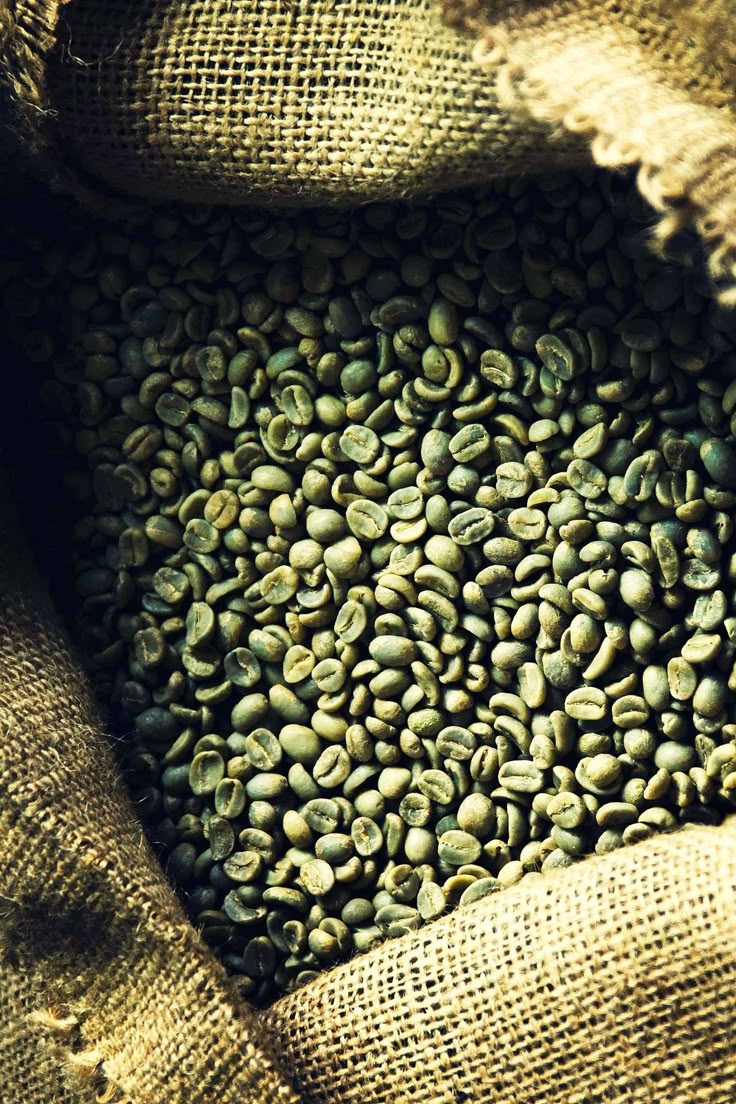
Dry parchment is milled, sorted by screen size, density and colour. Only AA and AB sizes pass Kibo's selection. Each lot is cupped and scored before approval. Approved lots are packed in GrainPro-lined jute bags and shipped FOB from Mombasa port.
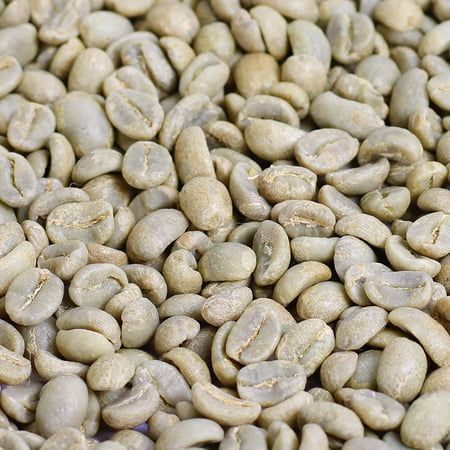
Kibo supplies green bean for specialist roasters, or roasted to your specification.
Unroasted · Raw
For specialist roasters who want to apply their own roast profile to Kibo's exceptional green coffee.

185–205°C
Preserves the delicate floral and fruit notes. Highest acidity. Best showcases the terroir character.

210–220°C
The sweet spot. Balanced brightness, sweetness and body. Most versatile for luxury hospitality use.

225–235°C
Bold, rich, low acidity. Preferred in Gulf markets for espresso and traditional Arabic coffee brewing.
Every Kibo lot is scored by our quality team against SCA standards before export approval.